
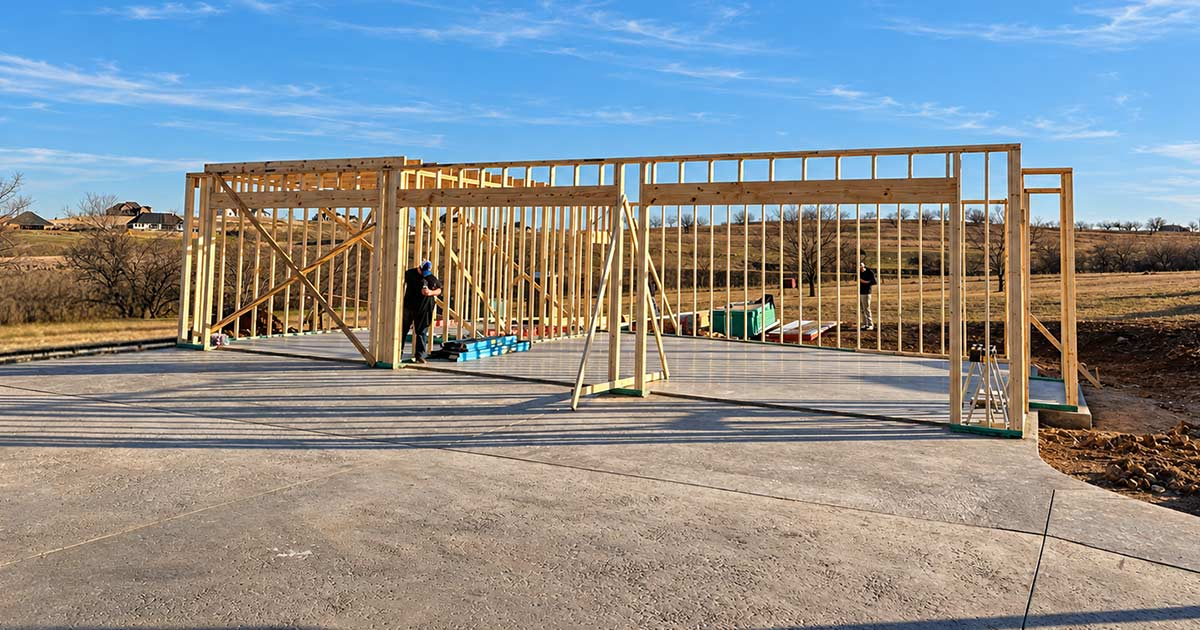
Should you remodel or build new in Weatherford, TX? Remodeling may make sense when you love your location and your existing home can support the changes you need. Building new may be a better fit when your priorities call for a different layout, a different property, or changes that would require extensive reconstruction.
The right choice depends on your home’s condition, your complete project budget, and how you want to live in the years ahead. Before committing to either option, compare what each approach can realistically deliver.
Start with What You Need Your Home to Do Better
Perhaps your kitchen feels crowded, your family needs more usable space, or your home no longer fits your daily routine. Write down the problems you want to solve before deciding how to solve them. Separate essential improvements from features you would simply enjoy having.
Dry Branch Contracting provides home remodeling and custom home building in Weatherford and Parker County. This guide will help you compare the practical tradeoffs, identify expenses to consider, and prepare useful questions before choosing your next step.
“Start with what you love about your home and what needs to change. Then we can talk through whether remodeling or building new makes more sense for your property, your priorities, and your budget.”
As you gather ideas, explore our work and note the spaces and features that fit your goals. When you’re ready, tell us about your home plans or call (817) 832-4435 to discuss your property and next steps.
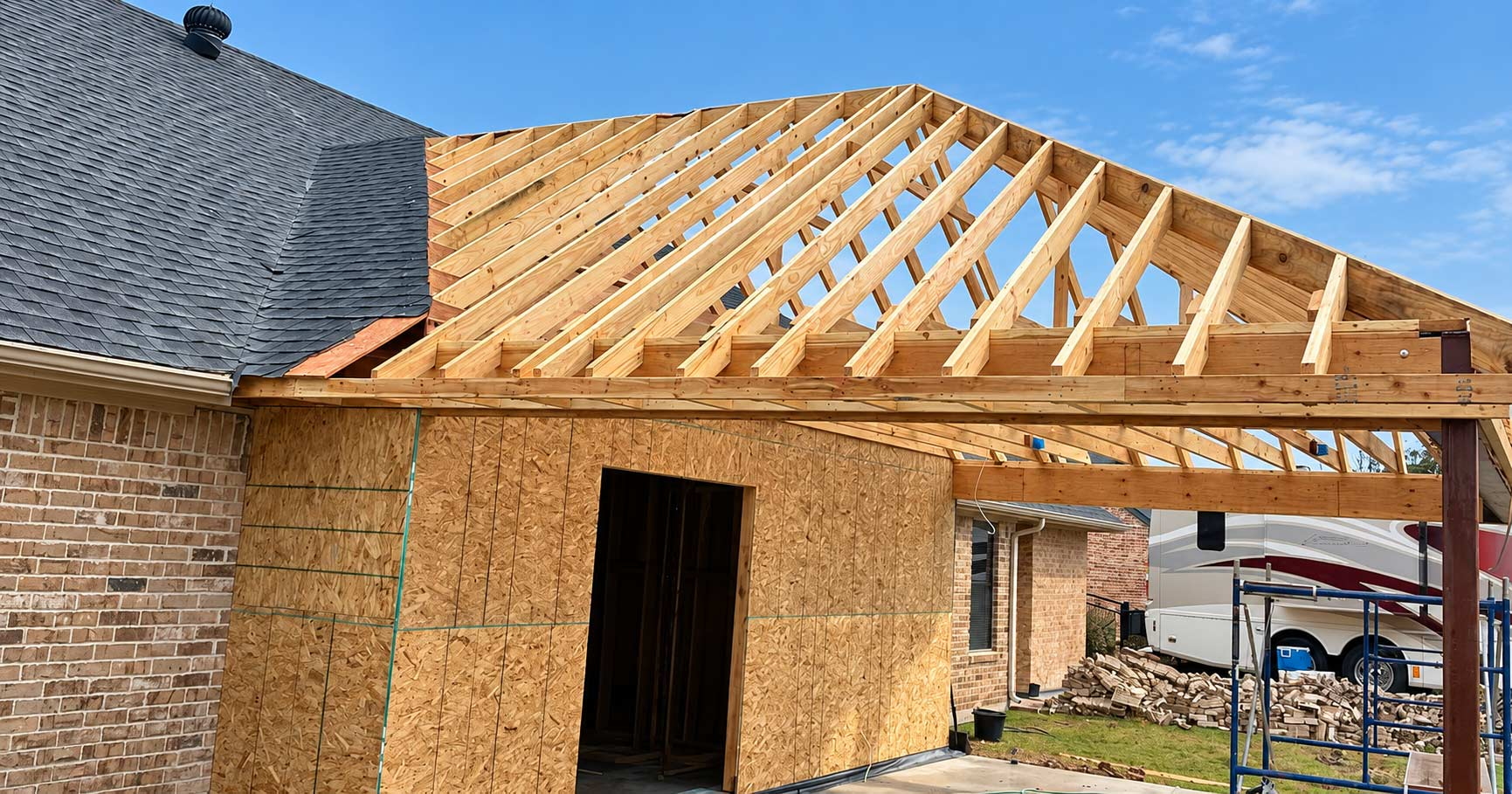
When Remodeling May Be the Better Choice
Remodeling may be a practical choice when you want to stay in your current location and your home can accommodate the improvements you need. The key is understanding what can be changed, what should be preserved, and what the work will require.
You Love Your Location
Your neighborhood, property, nearby family, and daily commute may be difficult to replace. If the location still works for you, renovating gives you an opportunity to improve your living space while keeping those advantages.
Your Home Can Support the Changes
An existing home may offer a useful starting point, but its condition needs to be evaluated. Foundation concerns, roof condition, plumbing, electrical systems, and previous alterations can affect what is practical. Assessing these issues early helps you distinguish cosmetic improvements from more extensive work.
Your Main Problems Are in Specific Rooms
If your biggest frustrations involve an outdated kitchen, an uncomfortable bathroom, or worn finishes, a focused remodel may address them without replacing the entire home. Identify the improvements that would make the greatest difference to your daily routine.
The Layout Can Be Improved Within a Reasonable Scope
Better storage, revised room arrangements, and changes to circulation can make a familiar home work better. Moving walls, plumbing, or major systems adds complexity, so discuss the feasibility and cost of those changes before settling on a design.
You Want to Preserve the Home’s Character
Established homes may have architectural details, materials, or personal meaning you want to keep. A renovation can preserve those qualities while improving comfort and function. Be clear about which features matter most so they can be considered during planning.
Remodeling is worth exploring when: You want to stay, the home’s condition supports your plans, and the proposed improvements solve your main problems within a budget you are comfortable with.
Explore our home remodeling services in Weatherford, TX to learn more about kitchen, bathroom, and whole-home renovations.
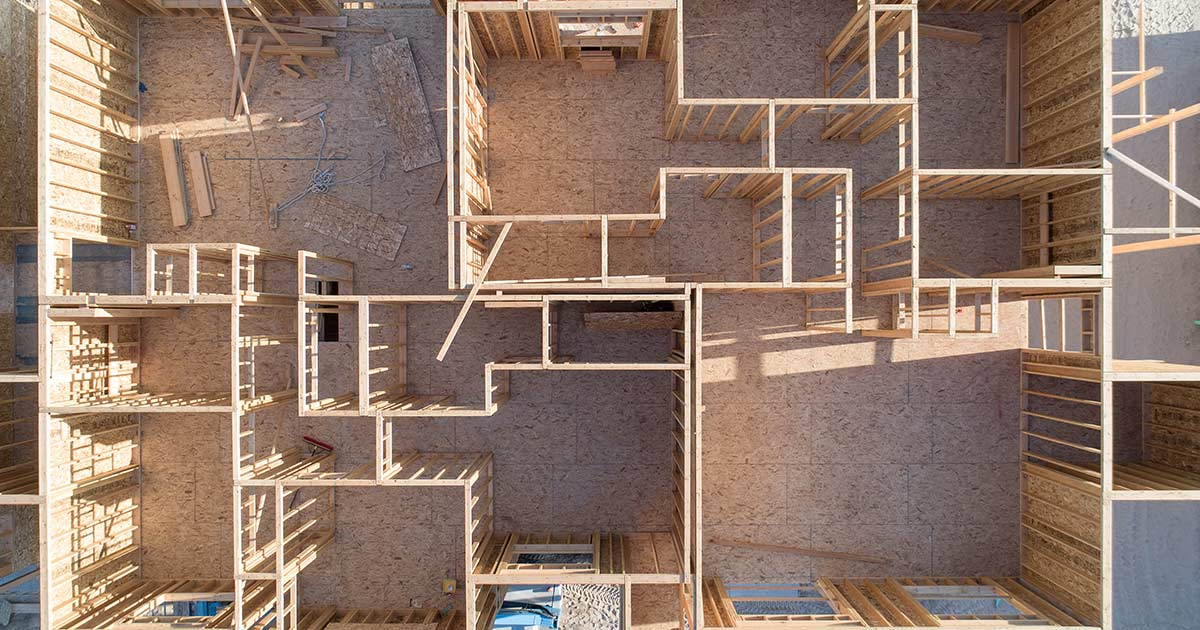
When Building New May Make More Sense
Building a new home may be worth considering when your existing house cannot reasonably accommodate your priorities. It gives you an opportunity to plan the layout, construction, and finishes together, while accounting for the property and your complete project budget.
Your Current Layout Requires Extensive Changes
If nearly every room needs to move, an extensive remodel can involve substantial demolition and changes to structural, plumbing, electrical, and heating and cooling systems. Compare that scope with a new build before deciding which approach better supports your goals.
Your Home Needs Major Repairs and Renovations
When significant repairs overlap with major layout changes, look at the combined investment. An assessment of the existing home can help identify what needs attention and what can be retained. Building new deserves consideration if the renovation would leave you with costly compromises.
You Need a Different Property
Your current lot may not offer the space, access, or setting you want. If you are considering land in Weatherford or Parker County, review buildable area, utilities, drainage, access, easements, and applicable restrictions before purchasing or finalizing plans.
You Want a Layout Planned Around Your Future
A new build lets you consider everyday needs from the beginning. That might include a home office, more storage, bedrooms on the main floor, or space for extended family. Plan around how you expect to use the home rather than adding square footage without a clear purpose.
Your Priorities Benefit from an Integrated Design
Building new allows the structure, insulation, windows, mechanical systems, and room layout to be planned together. The results depend on design decisions, materials, installation, and budget. Discuss specific comfort and performance goals with your builder instead of assuming every new home will deliver the same benefits.
Building new is worth exploring when: Your goals require a substantially different home, your current property limits your options, or the proposed renovation would involve extensive work without delivering the result you want.
Explore our custom home building services in Weatherford, TX to discuss a home planned around your property, priorities, and lifestyle.
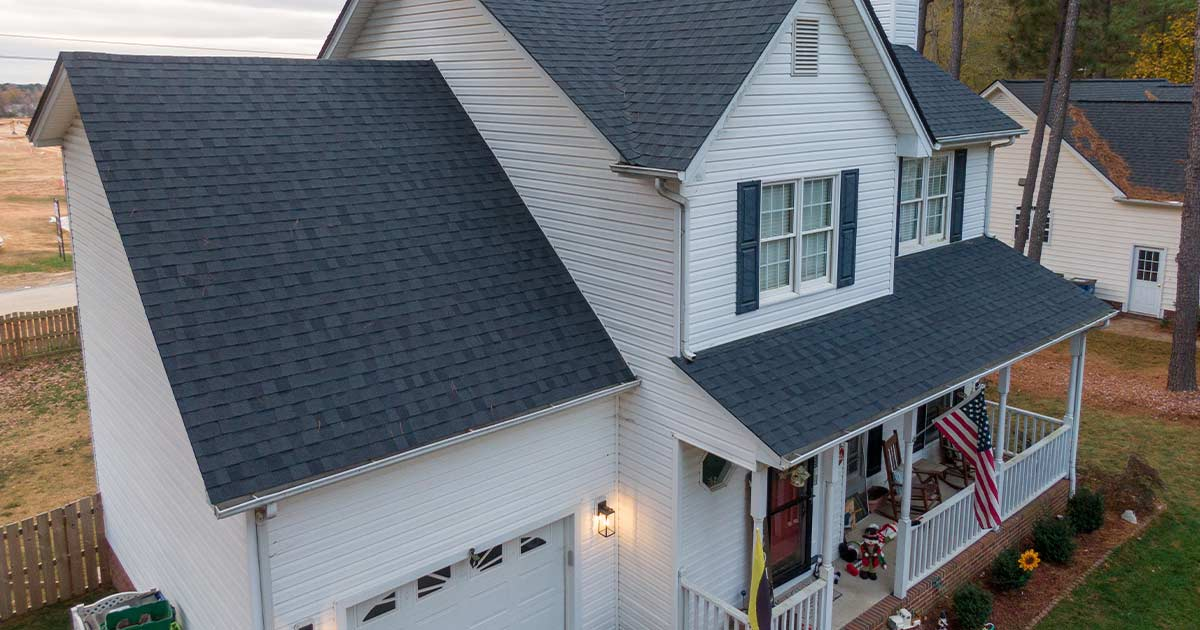
Compare the Complete Budgets for Remodeling and Building New
When deciding whether to remodel or build new in Weatherford, TX, compare the total investment required to achieve your goals. A remodeling estimate and a new construction estimate may cover different items, making their bottom-line prices difficult to compare without reviewing the details.
Define What Each Option Must Deliver
Start with the same list of priorities for both options. Include the bedrooms, bathrooms, storage, accessibility features, and living spaces you need. If one proposal solves only part of the problem, its lower price may not represent the outcome you are looking for.
Account for Existing Conditions and Site Work
A remodel may require repairs or system upgrades before the planned improvements can proceed. New construction may require land preparation, utility connections, driveway work, or other site improvements. If you are considering demolishing and rebuilding on your current property, include demolition, removal, and any necessary site restoration.
Include Costs Beyond Construction
Depending on the project, your budget may also need to cover design services, surveys, applicable permits, financing expenses, moving, storage, and temporary housing. Ask which costs are included in each proposal and which remain your responsibility.
Review Allowances and Plan for Uncertainty
Allowances reserve money for items that have not been fully selected or priced. Compare those amounts with the materials and finishes you expect to choose. Discuss a contingency suited to each project’s uncertainties, including concealed conditions during remodeling or excavation challenges during new construction.
Use This Side-by-Side Budget Checklist
| Budget Item | Remodeling | Building New |
|---|---|---|
| Property | Consider the costs of retaining your home and any property changes needed. | Include land acquisition if needed, plus property due diligence. |
| Preparation | Include selective demolition, protection of retained spaces, and debris removal. | Include site preparation and demolition if replacing an existing home. |
| Structure and systems | Account for necessary repairs and changes to existing systems. | Confirm the proposed foundation, structure, and new systems. |
| Materials and finishes | Review selections, allowances, and transitions between existing and renovated spaces. | Review selections and allowances throughout the planned home. |
| Living arrangements | Consider temporary housing, storage, and interruptions to daily routines. | Consider housing, moving, and storage until the new home is ready. |
| Exterior work | Check whether affected yards, patios, and access routes will be restored. | Check driveway, drainage, landscaping, and outdoor living inclusions. |
| Changes and contingency | Plan for concealed conditions and approved changes. | Plan for site uncertainties and approved changes. |
If a pool is part of your overall property plan, include it as a separate budget item. Our custom pool cost guide for Weatherford homeowners explains the construction factors and surrounding improvements to consider.
Before choosing: Ask for written scopes, clear exclusions, realistic allowances, and an explanation of how additional work is priced and approved. Then compare how well each option meets your priorities within your total budget.
Discuss your home plans with Dry Branch Contracting to explore the scope of remodeling or building new on your property.
Consider Your Property and Long-Term Needs
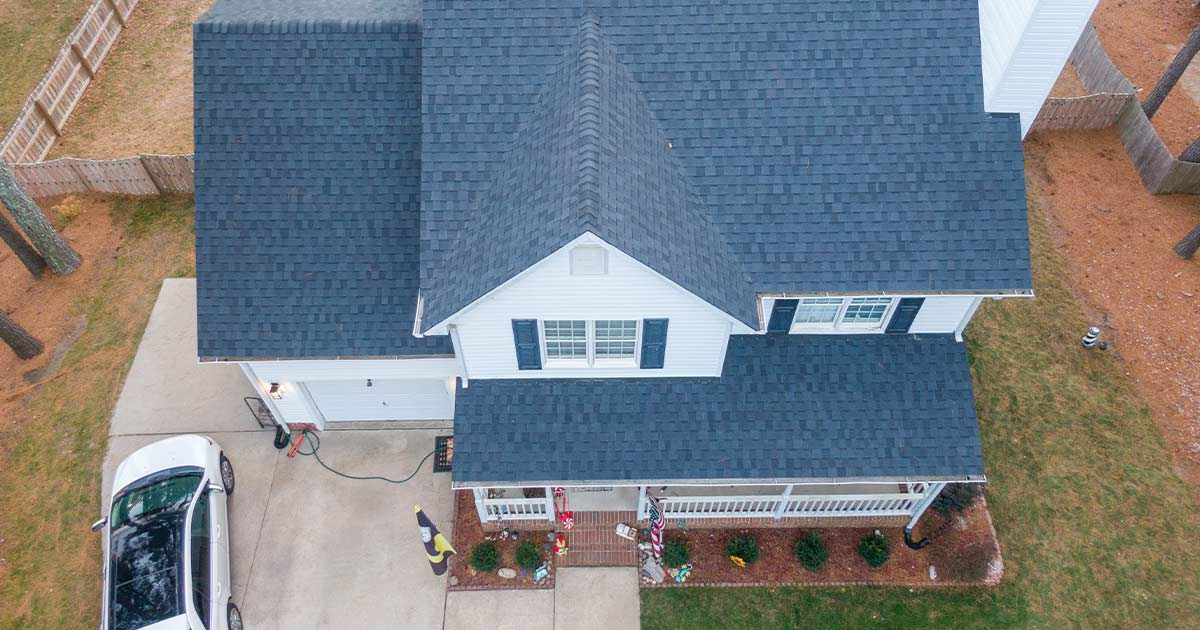
The decision to remodel or build new involves more than construction costs. Consider what your property allows, how your household may change, and how each option will serve you over time.
Review Property Restrictions Before Finalizing Plans
Depending on your location in Weatherford or Parker County, your project may be affected by zoning, setbacks, easements, deed restrictions, or homeowners association requirements. An addition or replacement home may have different requirements from the existing structure. Review the rules that apply to your property before committing to a design.
Understand Utilities, Access, and Drainage
Confirm whether existing utilities can support your proposed home or renovation. Depending on the property, water service, wastewater arrangements, electrical capacity, and construction access may need further evaluation. Consider drainage early, especially if your plans change the building footprint or surrounding paved areas.
Plan for Changes in Your Household
Think about the years ahead as well as your immediate needs. Main-floor bedrooms, accessible bathrooms, flexible rooms, and practical storage may become more valuable as your household changes. Compare how well a remodel and a new build could accommodate those priorities.
Consider Maintenance and Everyday Comfort
Look at the condition and expected upkeep of the roof, windows, insulation, and mechanical systems. A renovation may retain some existing components, while new construction introduces systems that still need regular maintenance. Identify what each proposal includes and which future expenses may remain.
Evaluate the Finished Home in Its Location
Consider whether the planned size, layout, and investment suit both your needs and the surrounding area. If future resale matters to your decision, seek a local real estate professional’s assessment. Construction spending does not automatically translate into an equal increase in property value.
A useful question: “Will this option still work for us in five or ten years?” Use your answer to compare the compromises you would accept with each approach.
For ideas, explore our project gallery and note the layouts and features that would make the biggest difference in your home.
Questions to Ask Before You Remodel or Build New
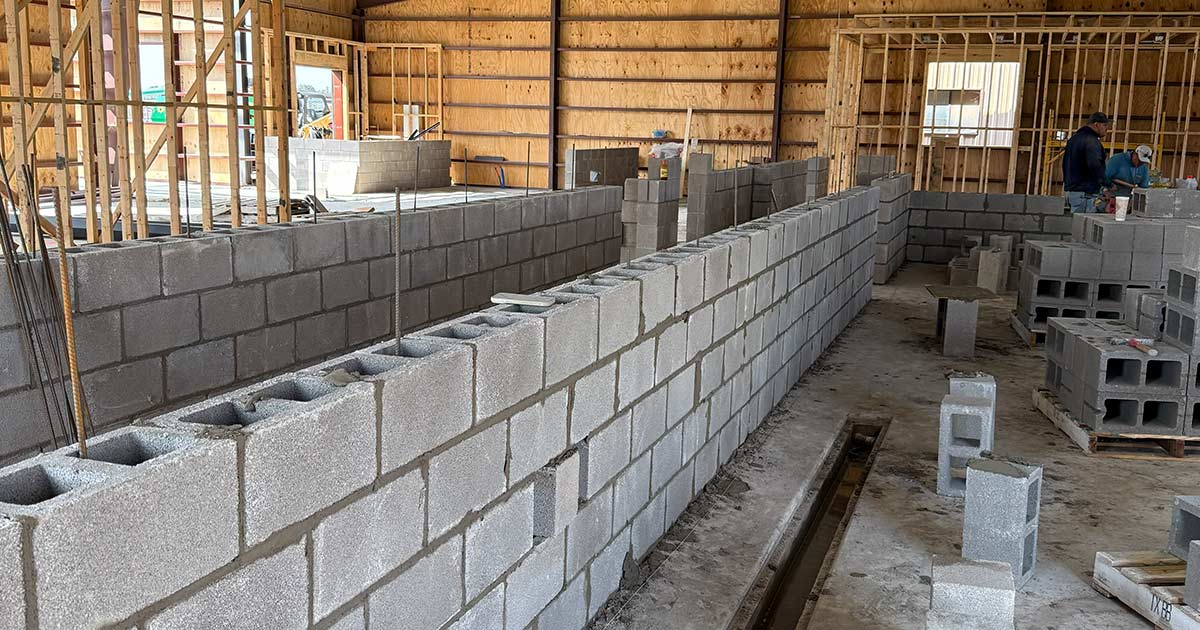
Before choosing a direction, compare both options against the same priorities. These questions can help you prepare for a conversation with a builder and identify what needs further investigation.
What Problems Must the Project Solve?
List the changes your household needs most. Be specific: a more functional kitchen, an accessible bathroom, another bedroom, or better storage. Then ask whether each option can deliver those improvements without leaving major problems unresolved.
What Do We Know About the Existing Home?
Ask which parts of the structure and major systems need evaluation before a remodeling scope can be established. Understand what has been inspected, what remains uncertain, and how those uncertainties could affect your plans.
What Does the Property Allow?
Confirm whether your proposed addition, replacement home, or new build fits the property’s restrictions and physical conditions. Identify any surveys, assessments, or approvals needed before you commit to the design.
What Is Included in the Total Budget?
Request a written scope for each option, including allowances, exclusions, and your responsibilities. Account for design, site work, temporary living arrangements, and other applicable expenses alongside construction.
How Will the Project Affect Daily Life?
Discuss whether you can remain at home, which rooms or utilities may be unavailable, and how construction access will be managed. For a new build, consider where you will live until the home is ready and how moving will fit your schedule.
Which Compromises Are We Willing to Accept?
Remodeling may preserve your location while retaining some limitations of the existing home. Building new may offer more design flexibility while requiring a different property, additional site work, or a move. Decide which tradeoffs you can comfortably live with.
Bring these details to your first conversation:
- Your property location and any existing plans or surveys.
- Photos of the home and the spaces you want to improve.
- Your essential changes and optional features.
- Your anticipated budget and preferred timing.
- Any known property restrictions or repair concerns.
Dry Branch Contracting provides both home remodeling and custom home construction in Weatherford and Parker County. Discussing your priorities and property is a practical starting point for understanding which approach deserves a closer look.
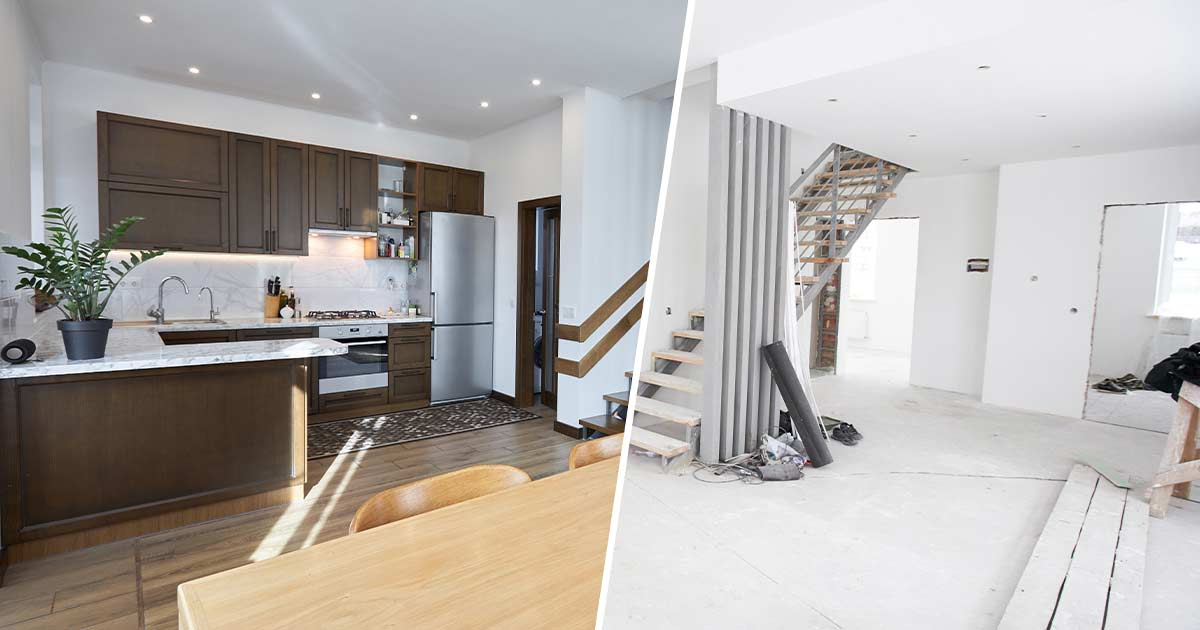
Remodeling vs. Building New FAQs
Is it cheaper to remodel or build a new home in Weatherford, TX?
Neither option is always cheaper. A focused remodel may cost less than building a new home, while extensive renovations involving major repairs and layout changes can require a substantial investment. Compare written scopes that include site work, allowances, temporary housing, and other applicable expenses.
How do I know whether my home is worth remodeling?
Start by evaluating the home’s condition and whether the proposed changes can meet your needs. Consider necessary repairs, layout limitations, property restrictions, and the complete renovation budget. If resale value matters, seek a local real estate professional’s assessment alongside the construction evaluation.
Can I demolish my existing house and build on the same property?
It may be possible, but feasibility depends on your property and applicable requirements. Review setbacks, easements, deed restrictions, utilities, access, and necessary approvals before committing. Include demolition, removal, and site preparation in the project budget.
Is remodeling faster than building a new home?
A smaller renovation may take less time, but extensive remodeling can involve complex sequencing and unexpected conditions. New construction also requires time for planning, site preparation, approvals, and building. Compare anticipated schedules for your specific options rather than assuming one will always be faster.
Can I stay in my home during a whole-home renovation?
That depends on the work involved and whether safe, usable living space can be maintained. Renovations affecting kitchens, bathrooms, electrical service, or other essential systems may require temporary housing. Discuss living arrangements, construction access, and interruptions before work begins.
Can Dry Branch Contracting help me explore both options?
Yes. Dry Branch Contracting provides home remodeling and custom home construction in Weatherford and Parker County. Tell us about your home plans, call Aaron Nation at (817) 832-4435, or email aaron@drybranchcontracting.com to discuss your property, priorities, and next steps.
Let’s Talk About Your Home’s Next Chapter
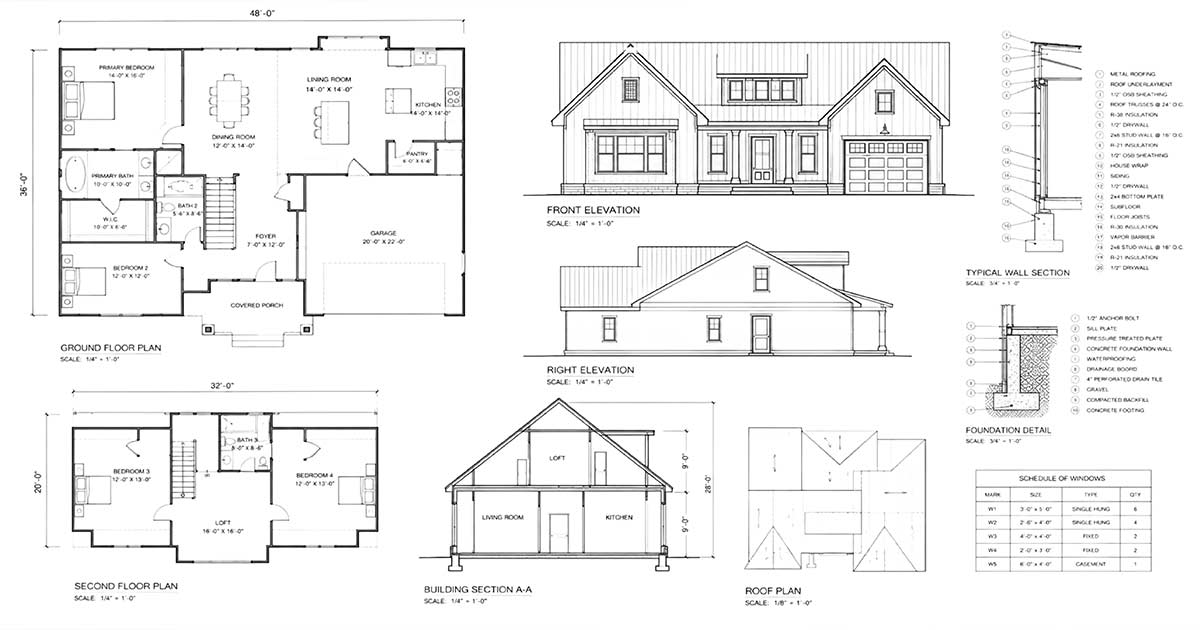
You don’t need to decide between remodeling and building new before reaching out. Share what you love about your home, what needs to change, and the budget you have in mind. Dry Branch Contracting can help you explore the next steps in Weatherford and Parker County.
Learn more about our home remodeling services and custom home building services, or talk with Aaron Nation about your property and priorities.
Prefer to call? Reach Aaron at (817) 832-4435 or email aaron@drybranchcontracting.com.
